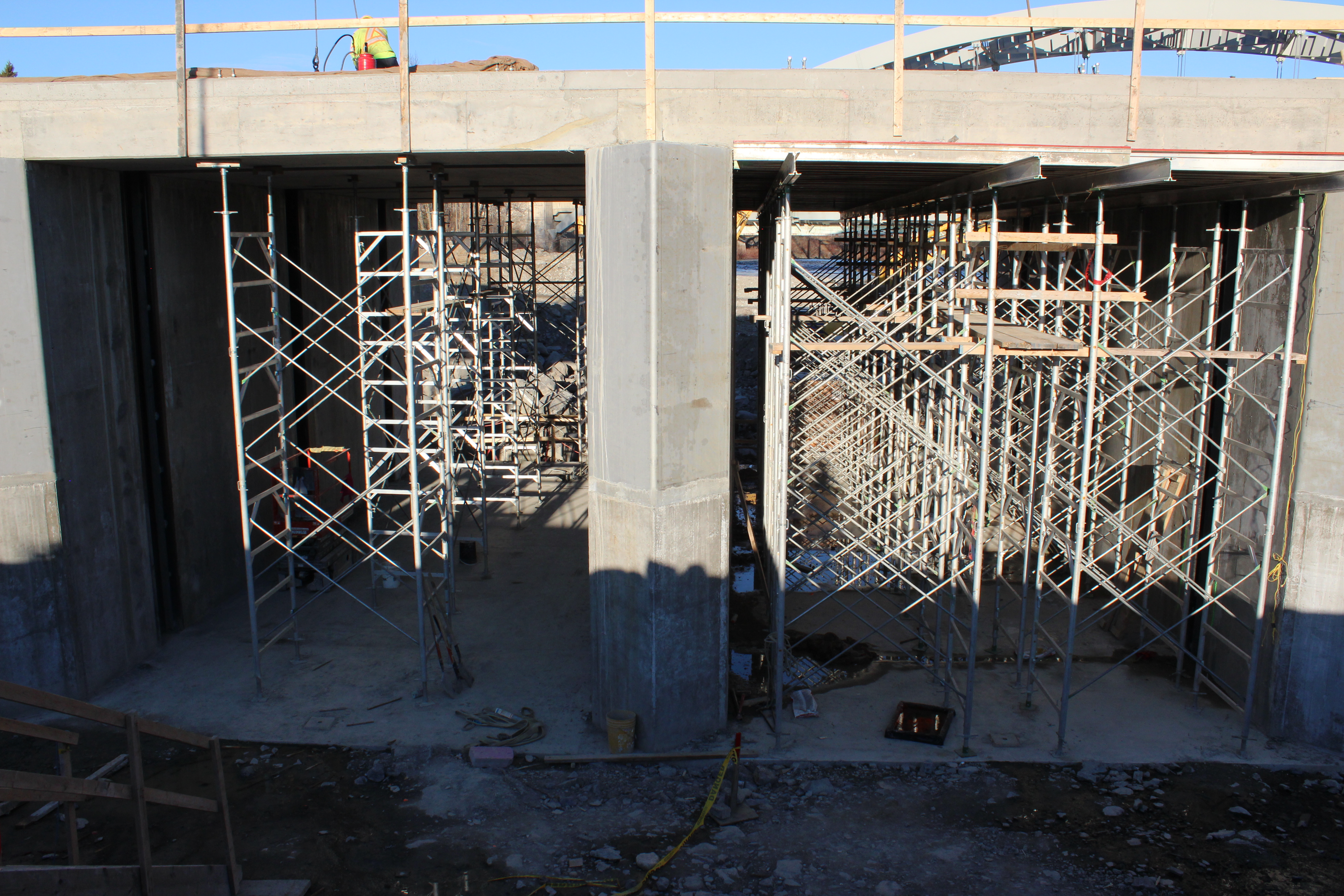
Foundation & Basement Shoring
Engineered temporary shoring for foundation underpinning, basement lowering, and bearing wall removal. 24/7 emergency response for residential and commercial projects throughout the Greater Toronto Area.
Emergency Response
kN Capacity
Certified Designs
Foundation Shoring Services
Specialized temporary support systems for foundation construction, underpinning projects, and structural modifications.
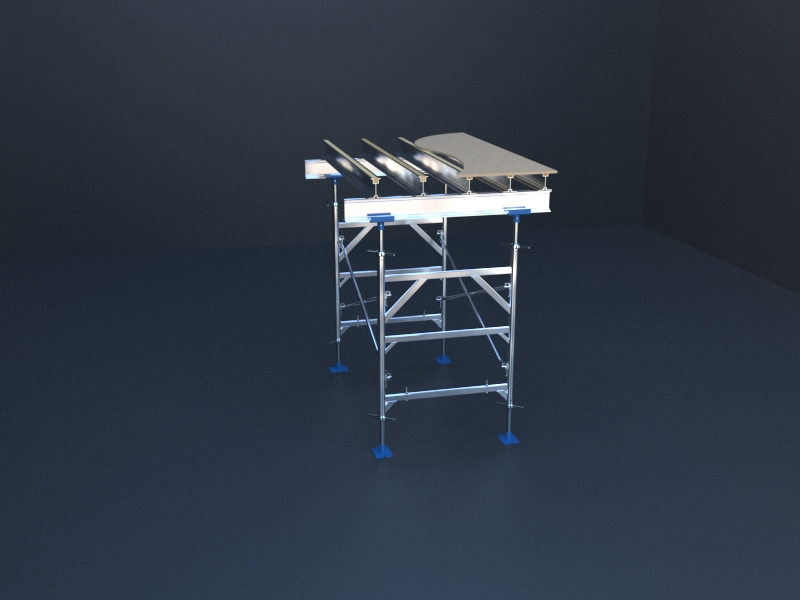
Foundation Underpinning
Temporary support for existing foundations during underpinning operations. Steel needles pass through bearing walls to transfer loads to temporary shores while new foundations are constructed below. Typical depths 1.5-3.0m below existing footings.
Basement Addition & Lowering
Support existing structure while excavating beneath to create additional basement headroom. Incremental excavation in 600mm lifts with continuous monitoring. Achieve 2.4-2.7m finished ceiling heights in older homes with shallow foundations.
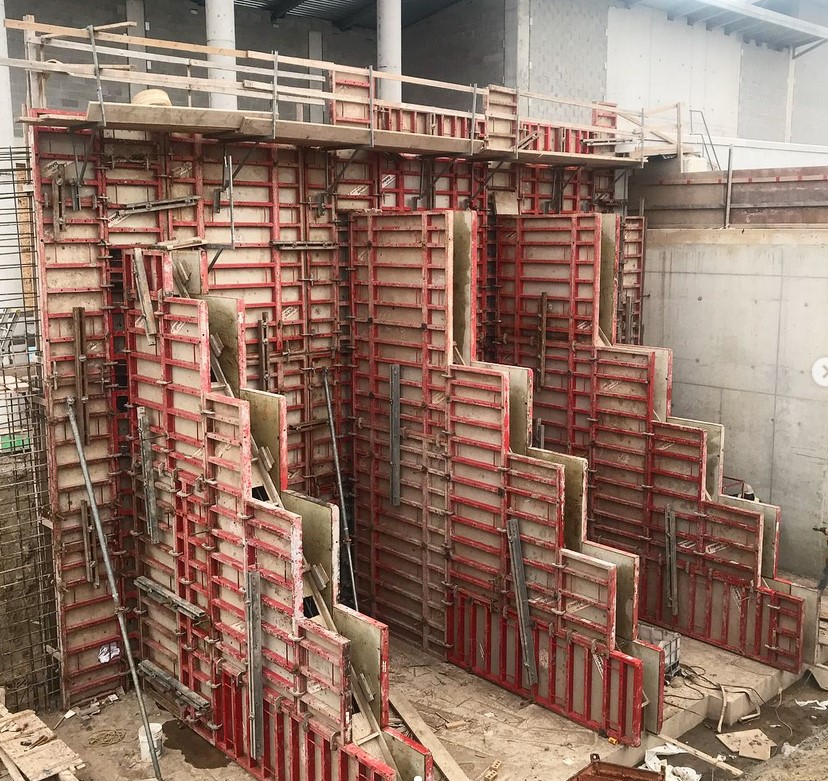
Bearing Wall Removal
Temporary shoring allows safe removal of interior load-bearing walls for open-concept renovations. Steel beams span across opening, supported by posts transferring loads to footings below. Coordinate with structural engineer on beam sizing.
Foundation Repair & Remedial
Emergency shoring for foundation settlement, cracking, or deterioration. Immediate load transfer prevents further structural damage while permanent repairs are engineered. 24-hour emergency response throughout GTA.
Foundation Shoring Equipment & Expertise
Complete shoring systems with P.Eng certified designs, 24/7 emergency response, and continuous structural monitoring.
24/7 Emergency Response
Round-the-clock dispatch for foundation emergencies: settlement, collapse risk, excavation accidents. P.Eng on-call for immediate structural assessment. Crews mobilized within 2-4 hours throughout Greater Toronto Area.
Structural Monitoring
Survey monitoring tracks settlement and movement during underpinning. Digital levels measure elevation changes to 0.1mm accuracy. Crack gauges monitor existing structural cracks. Daily inspection logs document conditions.
Incremental Loading Protocol
Controlled load transfer from temporary shores to permanent foundations. Test loads verify new foundation capacity before full loading. Step-wise removal of shoring prevents shock loading. Documented load testing records.
Steel Needling Systems
Heavy steel needles (W250 or W310 beams) pass through bearing walls to transfer loads. Needle spacing typically 1.5-2.4m based on wall loads. Threaded rod connection through wall allows precise load transfer adjustment.
Adjustable Shore Posts
Heavy-duty steel shores 1.8-6.0m height, 100-200 kN capacity. Thread adjustment allows precise load transfer. Base plates distribute loads on temporary footings or grade beams. Plumbness monitored daily.
Foundation Coordination
Work closely with foundation contractors, structural engineers, and building officials. Shoring plans reviewed by City of Toronto, Mississauga, Markham building departments. TSSA notification for adjacent properties.
Underpinning Shoring Process
Systematic approach to foundation underpinning ensures structural safety during excavation and new foundation construction.
- P.Eng structural assessment — Evaluate existing foundation condition, wall loads, and soil bearing capacity to determine needle beam sizing (W250 or W310) and spacing.
- Steel needle installation & load transfer — Core drill through bearing walls, insert needle beams at 1.5-2.4m spacing, and gradually transfer 50-150 kN per needle to adjustable steel shores.
- Controlled excavation & new foundations — Remove soil below existing footings in stages to 1.5-3.0m depth, form and pour new spread footings or grade beams, and cure to minimum 20 MPa.
- Grout connection & shore removal — Pack non-shrink grout between new and existing foundations, verify capacity with test loads, then gradually unload shores while monitoring for settlement.
Foundation Shoring Timeline
Typical sequence for residential foundation underpinning project with temporary shoring support.
- FileText
Site Assessment & Design (2-5 days)
Structural engineer inspects existing conditions, reviews architectural plans for renovations. Soil investigation determines bearing capacity. P.Eng prepares shoring drawings showing needle locations, shore capacities, excavation sequence. Submit to City building department if required.
- Package
Mobilization & Shoring Installation (1-2 days)
Deliver shoring equipment to site. Core drill through bearing walls per engineered locations. Install steel needle beams and secure with threaded rods. Place adjustable shores and base plates. Transfer load to temporary system. Survey benchmark elevations.
- Layers
Excavation & New Foundations (5-10 days)
Foundation contractor excavates below existing footings in controlled stages. Form and pour new footings at lower elevation. Cure concrete to minimum 20 MPa. Build foundation walls up to existing footing level. Place and cure grout connection.
- CheckCircle
Load Testing & Shore Removal (1-2 days)
Apply test loads to verify new foundation capacity. Gradually transfer load from temporary shores to permanent foundations. Monitor for settlement using surveying equipment. Remove shores and needle beams. Patch core holes. Final inspection by structural engineer and building official.
Foundation Shoring Questions
Common questions about underpinning, basement lowering, and temporary foundation support.
Related Foundation Solutions
Excavation Shoring
Trench boxes, hydraulic shores, and slide-rail systems for safe excavation adjacent to existing foundations.
Post Shores & Beams
Adjustable steel shores and aluminum beams for bearing wall removal and temporary load support during renovations.
Structural Monitoring
Survey monitoring, crack gauges, and tiltmeters for tracking movement during foundation work and adjacent construction.
Foundation Shoring & Underpinning Support
24/7 emergency response for foundation shoring throughout the Greater Toronto Area. P.Eng certified designs for underpinning, basement lowering, and bearing wall removal. Immediate mobilization for structural emergencies.